Minimally Invasive Gynecology Surgery in Islamabad
Dr. Farwa Hameed performs laparoscopic procedures for conditions like fibroids, ovarian cysts, and endometriosis. Smaller incisions mean less pain and a faster return to normal activity.
Minimally Invasive Gynecology Surgery in Islamabad
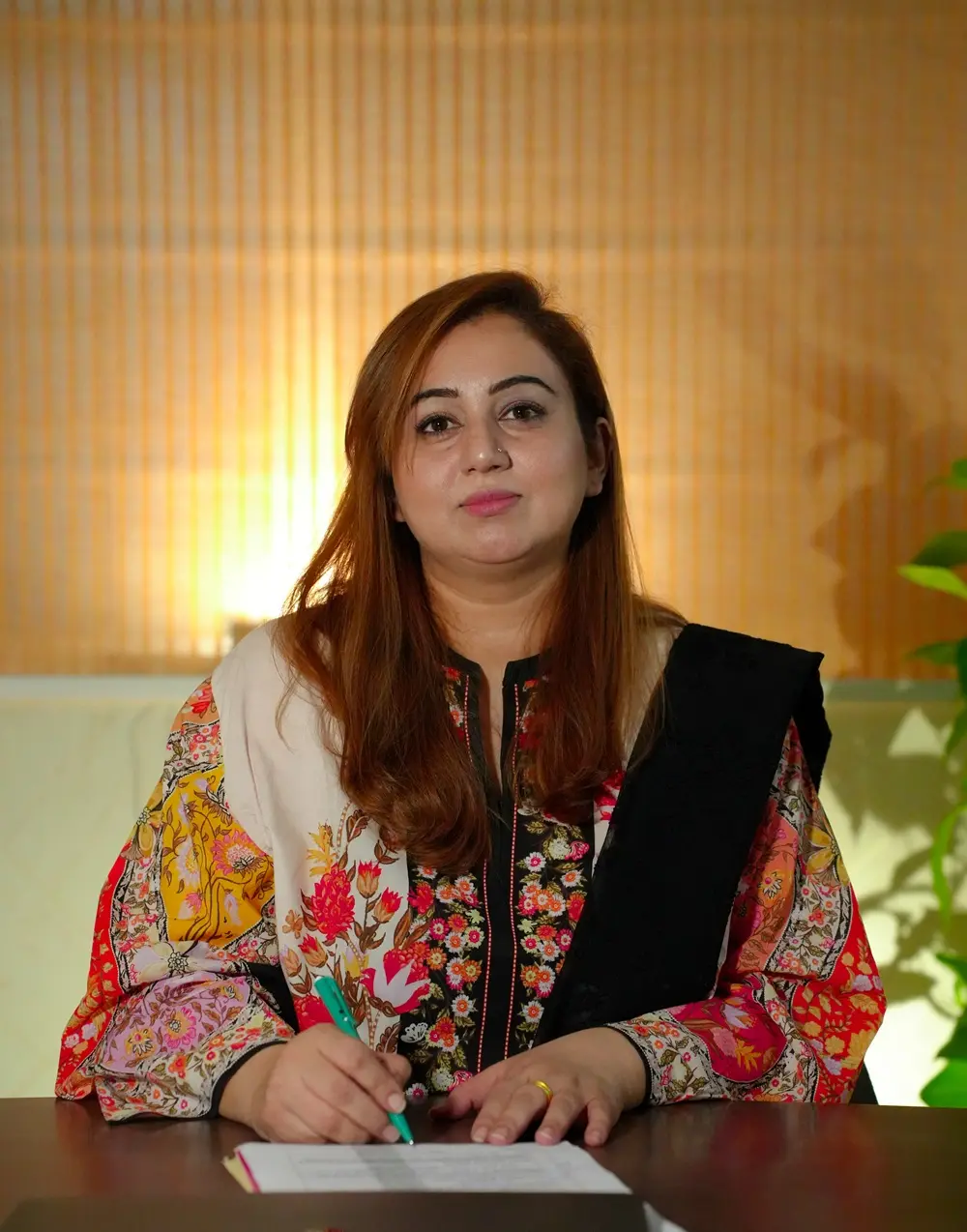
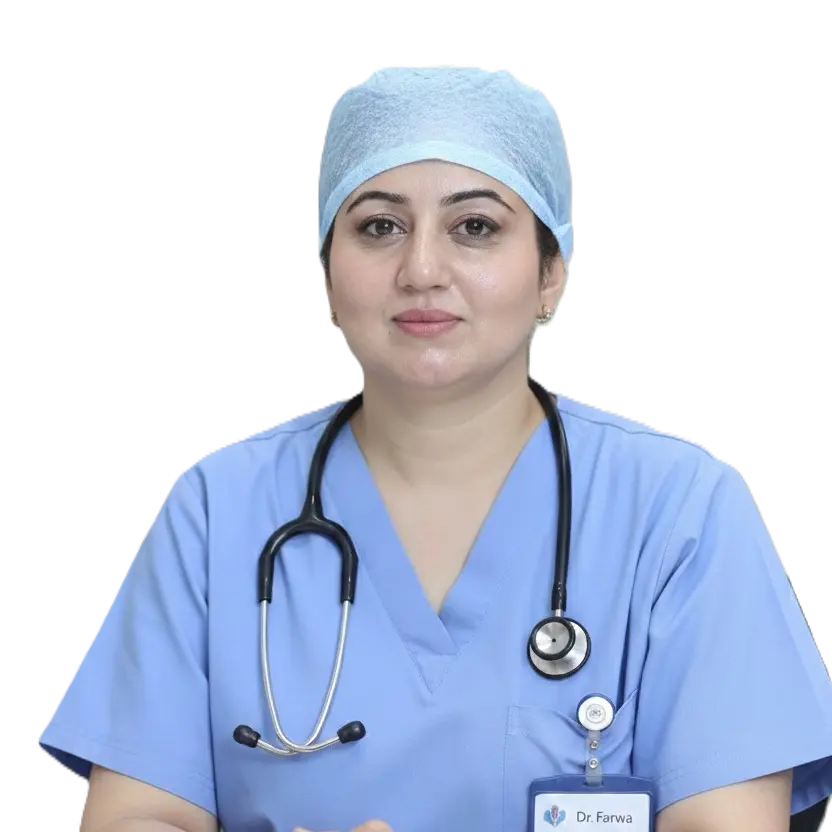
Dr. Farwa Hameed (MRCOG UK) specializes in laparoscopic and hysteroscopic procedures — offering faster recovery, smaller incisions, and excellent outcomes.
Dr. Farwa Hameed performs minimally invasive gynecology surgery in Islamabad for conditions that can often be treated with smaller cuts, less pain, and faster recovery than open surgery. These procedures include laparoscopy and hysteroscopy for fibroids, endometriosis, ovarian cysts, uterine issues, abnormal bleeding, and related concerns.
Treatment is available at Saeed International Hospital and Hyaat International Hospital. Contact: +92 310 7883999.
If you are looking for a trusted gynecologist in Islamabad for surgical evaluation, Dr. Farwa Hameed offers specialist care based on the condition, symptoms, and report findings.
Who Needs Minimally Invasive Gynecological Surgery
Not every gynecological condition needs surgery, and not every surgery needs a large incision. Dr. Farwa Hameed recommends minimally invasive options when the diagnosis is clear and the condition can be treated through small incisions or a hysteroscope, rather than open surgery.
Common reasons patients are referred for this type of procedure include fibroids causing heavy bleeding, pain, or pressure symptoms, ovarian cysts that are large or persistent, endometriosis confirmed or suspected through symptoms and imaging, abnormal uterine bleeding that has not responded to medication, uterine polyps found during evaluation, and pelvic pain with no clear cause on scans, where direct visualization helps confirm a diagnosis. Some ovarian cysts are linked to underlying conditions such as PCOS, which is why patients are often evaluated for PCOS treatment in Islamabad alongside a surgical assessment.
If you are dealing with any of these symptoms, the first step is a consultation and proper imaging, not surgery itself. Dr. Farwa Hameed evaluates each case individually before recommending a laparoscopic or hysteroscopic approach, based on what the condition actually needs.
Laparoscopic (Keyhole) Surgery
Laparoscopy uses small incisions and a camera to diagnose and treat conditions such as endometriosis, ovarian cysts, fibroids, and pelvic inflammatory disease. It is often preferred because it usually means less pain, smaller scars, and a shorter hospital stay.
Many patients go home within 24 hours, depending on the procedure and recovery. Laparoscopy is useful when a clear view inside the abdomen is needed without doing a large open operation. In many cases, it helps both diagnosis and treatment at the same time.
Hysteroscopy
Hysteroscopy is used to examine and treat the inside of the uterus with a thin camera passed through the cervix. It is often used for abnormal bleeding, uterine polyps, and intrauterine adhesions.
Because it does not need a large incision, recovery is usually easier than traditional surgery. Hysteroscopy helps the doctor see the uterine cavity directly and treat the problem more precisely.
Laparoscopy vs Open Surgery: What Is the Real Difference
Patients often ask why laparoscopy is recommended over traditional open surgery, since both are described as surgery. The difference comes down to how the surgeon accesses the area being treated.
Open surgery involves a single larger incision, which means more cutting through muscle and tissue to reach the uterus or ovaries. Laparoscopy uses two to four small incisions, each about half an inch, through which a camera and thin instruments are inserted. The surgeon views the pelvic organs on a screen in real time and operates through these small openings.
This difference affects recovery directly. Open surgery usually means a hospital stay of two to three days and four to six weeks before returning to normal activity. Laparoscopy is often done as day surgery or with one night in hospital, and most patients resume light activity within a week to ten days.
Laparoscopy is not right for every case. Very large fibroids, certain cancers, or complex adhesions from previous surgeries may still require an open approach. This is decided after imaging and, in some cases, only confirmed once the procedure has started. For a general evaluation before deciding on surgery, patients can also visit our gynecology clinic in Islamabad for a full workup.
Benefits of Minimally Invasive Approaches
- Smaller incisions and minimal scarring
- Shorter hospital stay (often day surgery)
- Faster return to normal activities
- Reduced risk of infection and complications
What to Expect During Recovery
Recovery after minimally invasive surgery is faster than open surgery, but it still needs to be taken seriously.
In the first 24 to 48 hours, mild shoulder pain is common. This happens because gas is used to expand the abdomen during laparoscopy, and it can irritate the diaphragm before the body absorbs it. This is normal and settles on its own.
Most patients can walk around the same day or the next, and light activity like short walks is encouraged early on, since it helps reduce gas discomfort and lowers the risk of blood clots. Driving and returning to desk work is usually possible within a week, depending on the procedure performed and how the individual heals.
Heavy lifting, intense exercise, and sexual activity are usually restricted for two to four weeks. Dr. Farwa Hameed gives specific timelines during the post-operative visit based on what was done during surgery, since a diagnostic laparoscopy and a fibroid removal do not have the same recovery path.
If you experience fever, heavy bleeding, or increasing pain after the procedure, contact the clinic directly rather than waiting for your scheduled follow-up.
Ready to Take the Next Step?
Book a consultation with Dr. Farwa Hameed today and get expert gynecological care.
Have Questions About Minimally Invasive Surgery?
Below are some of the most common questions Dr. Farwa Hameed receives from patients in Islamabad about minimally invasive surgery.
If your question is not listed, you are welcome to contact the clinic directly or send a message via WhatsApp at +92 310 7883999.
How long is recovery after laparoscopic surgery?
Is laparoscopy painful?
Can fibroids be removed laparoscopically?
Will I need general anesthesia for laparoscopy?
How soon can I go home after surgery?
Medical disclaimer: Website information is for patient education and should not be used as a diagnosis. Seek urgent medical care for severe pain, heavy bleeding, fainting, reduced fetal movement, or sudden pregnancy complications.
Your Health is Our Priority
Schedule a consultation to discuss your gynecological health needs with Dr. Farwa Hameed.
Our Expertise
Dr. Farwa Hameed holds an MRCOG (UK) from the Royal College of Obstetricians and Gynaecologists, an FCPS from the College of Physicians and Surgeons Pakistan, and an MBBS from Rawalpindi Medical University. Her practice covers the full spectrum of women's health care.
- General gynecology
- Pregnancy care
- Fertility evaluation
- PCOS management
- Menopause care
- Minimally invasive gynecological surgery
Our Locations
Hyaat International Hospital
G13/1 Islamabad
Monday - Saturday 6:00 PM to 9:00 PM
Rs 3,000 (incl. ultrasound)
Get DirectionsSaeed International Hospital
G-11 Markaz, Islamabad
Monday - Saturday 12:30 PM to 3:00 PM
Rs 3,000 (incl. ultrasound)
Get DirectionsOnline consultation
WhatsApp or call
Flexible by confirmation
Rs 3,000 (incl. ultrasound)